
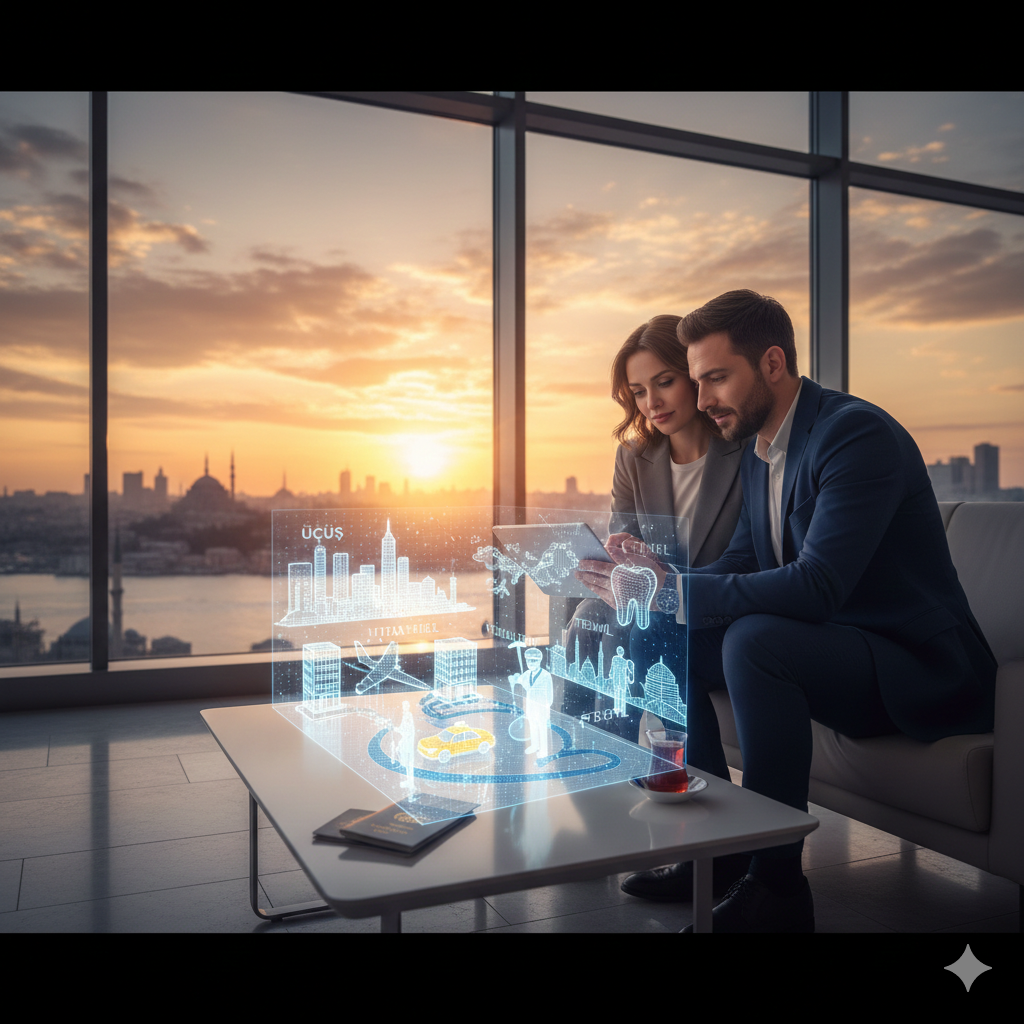
Aesthetic dentistry today aims not only to improve the appearance of the teeth, but also to design personalised smiles that are compatible with the face, lips, jaw structure and facial expressions. One of the most important stages of achieving this goal is the digital planning process. Thanks to digital technologies, aesthetic dental treatments are now performed in a more predictable, safe and controlled manner.
Digital planning is the process of pre-designing and simulating aesthetic dental treatments using computer-aided systems. With this method, the shape, size, colour and harmony of the teeth with the face are analysed digitally. The main advantages of this process are to see the result before the treatment begins, minimising the margin of error and ensuring a complete harmony of expectations between the patient and the physician.
Why is Digital Planning Important and How Does It Start?
While aesthetic results in traditional methods rely heavily on the experience of the physician, digital planning makes this process measurable and predictable. The process begins with a detailed analysis of the patient's existing oral and facial structure:
- Data Collection: Intraoral and facial photographs, video recordings and digital measurements are taken.
- Digital Measurement and Scanning: Intraoral scanners, which replace traditional impression spoons, create a one-to-one digital model of the teeth. This provides great comfort in porcelain laminate, zirconium crown and implant planning.
- Digital Smile Design (DSD): Facial symmetry, lip line, gum level and golden ratio principles are evaluated in the computer environment and a special smile is designed for the patient.
Mock-Up (Temporary Trial Smile) and Face Harmony
The design obtained after digital planning can be temporarily applied to the patient's mouth. This stage is called mock-up. Thanks to the mock-up, the patient can see his/her new smile in the mirror, test the harmony of speech and facial expressions and experience the final version before the treatment begins.
Thanks to digital planning, the lower, middle and upper parts of the face are analysed. The ratio of the teeth to the face is calculated and lip movements are taken into account. The smile that emerges as a result of these analyses offers a natural and balanced appearance, not an artificial one.
Treatments and Advantages of Digital Planning
The digital planning process is actively used in many aesthetic dental treatments:
- Smile design and Hollywood Smile applications
- Porcelain veneers and zirconium veneers
- Implant prosthesis and gingival aesthetics (pink aesthetics)
The biggest benefits of this system to the patient are; reduced risk of surprise results, shorter treatment time, less need for sessions and active participation of the patient in his/her own treatment process.
Aesthetic Dentistry Experience for Foreign Patients
Turkey is a globally preferred centre for aesthetic dentistry. Digital planning for patients from abroad guarantees clear results in a short time, prevention of time loss and a high sense of confidence before treatment. Ber Dental Clinic aims to provide satisfaction at international standards by meticulously managing the digital planning process for foreign patients.
Conclusion
The digital planning process in aesthetic dentistry is one of the greatest advantages offered by modern technology. Thanks to this method, it becomes possible to achieve natural, face-compatible and personalised aesthetic results. Digital planning is not just a technology; it is a strategic approach that increases patient satisfaction and treatment success. With this vision, Ber Dental Clinic offers modern, reliable and quality solutions to its patients.